Long before I knew what I was looking for, I was looking for treasure.
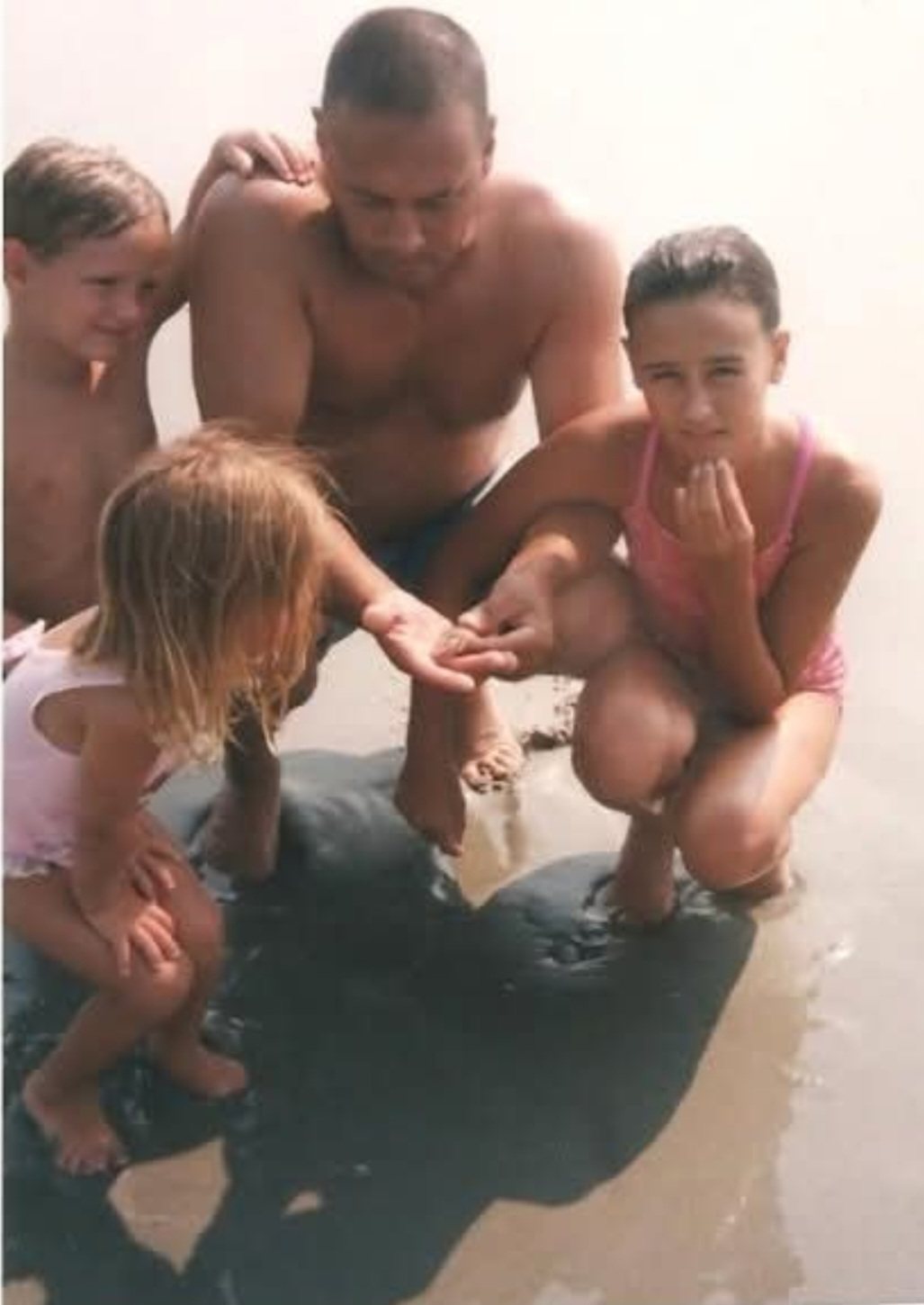
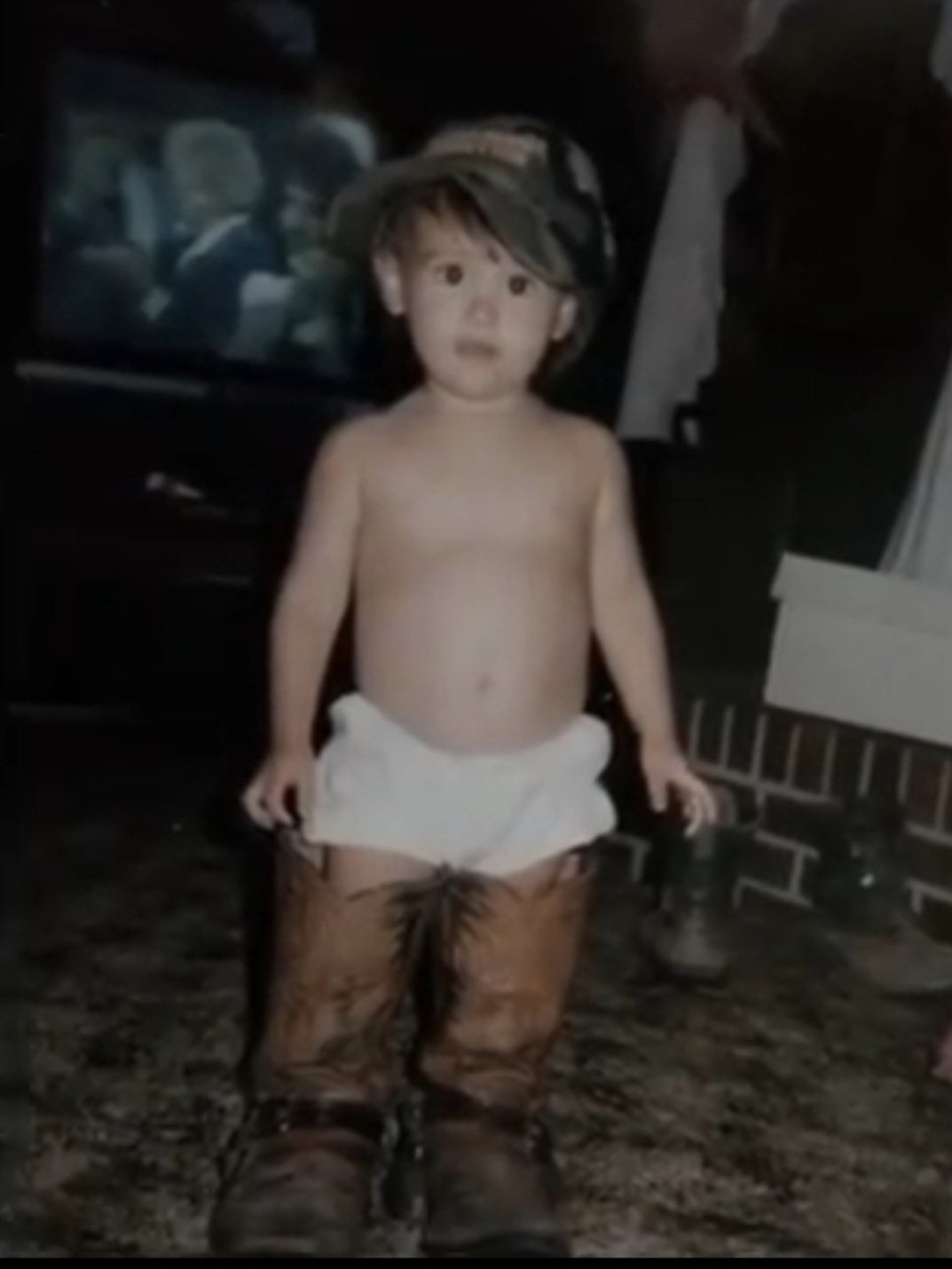
I grew up on a farm in South Carolina, where childhood meant bare feet in creek beds, red clay that stained everything it touched, and long afternoons spent wandering through the woods, exploring construction sites, or seeing how far I could roam on horseback. I picked wild blackberries until my fingers were stained purple and came back with pockets full of whatever treasures I'd found along the way.
But after all my adventures, I always wandered back home.
I spent hours in the kitchen with Granny and Grandma, cooking and canning whatever was in season, shucking corn, and churning homemade ice cream. Food was made with love, but just as importantly, it was made to be shared. There was always room for another plate and always something worth gathering around the table for.
Food was passed around. Stories followed. Someone remembered something that had happened years before and told it again. We ate, we listened, we laughed, and without anyone needing to call it a tradition, it became one.
I grew up surrounded by stories, and it didn't take me long to start collecting my own.
My mother got the running commentary on all of them.
I'd talk her head off about where I'd been, what I'd found, what I wondered about, and whatever grand plan I'd already concocted for what I was going to do next. There was always another question. Another adventure. Another thing I was absolutely certain I needed to investigate.
I was always looking for something.
With my dad and Papa, that often meant looking down.
Arrowheads. Strange pieces of wood. Gemstones. Old bottles packed with dirt. Pieces of pottery. The traces of old homes slowly being reclaimed by the woods.
Papa taught me that the ground beneath your feet has a story if you know how to read it.
I learned the difference between red Carolina clay and the dark, rich soil where certain things would grow. I learned the flowers and the trees. I learned to notice what had been there before me, what was growing around me, and what might be hiding just beneath the surface.
But Granny was always telling me to look up.
We would hear an airplane overhead and stop whatever we were doing to find it in the sky. She would point up and tell me stories about where those airplanes might be going: faraway cities, exotic places, people I'd never met, lives entirely different from ours.
I didn't know who was sitting behind those tiny windows.
Neither did she.
That was half the fun.
We could send them anywhere.
And when the airplane disappeared, we'd turn our attention back to the trees, pulling the delicate shells cicadas had left clinging to the bark, tiny evidence that something could leave one version of itself behind and emerge as something else entirely.
So I learned to look down.
And I learned to look up.
But my family also taught me to wonder what might be hiding beneath the surface.
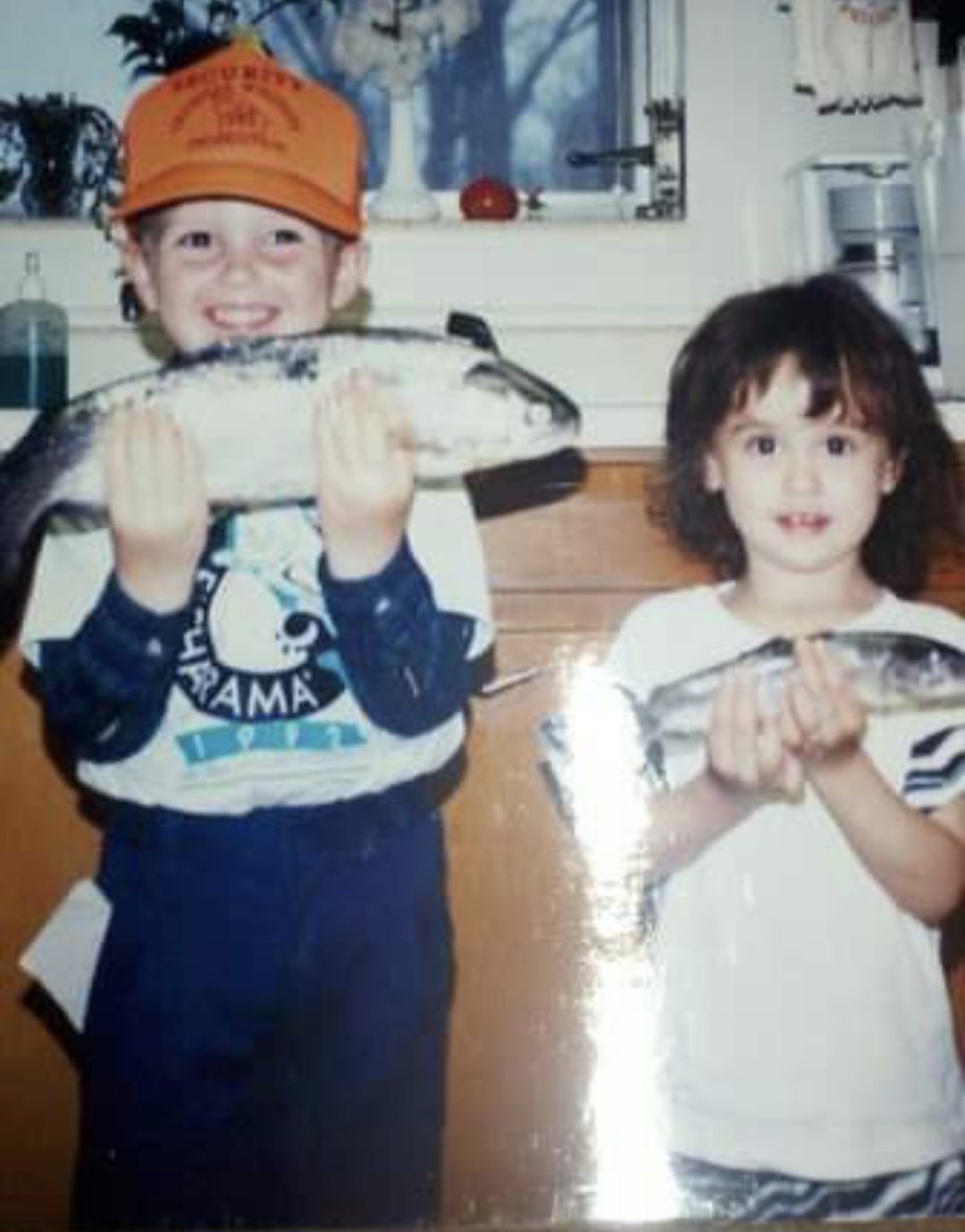
We were always fishing somewhere: creeks, ponds, lakes, anywhere there was water and the possibility of something tugging back. I started with a cane pole and the simple thrill of pulling a catfish from water I couldn't see through. Years later, my brother and I took that curiosity quite a bit farther, wading into muddy water and reaching beneath the surface to noodle catfish out by hand.
There was something irresistible about never quite knowing what was down there.
Sometimes you came up with a fish.
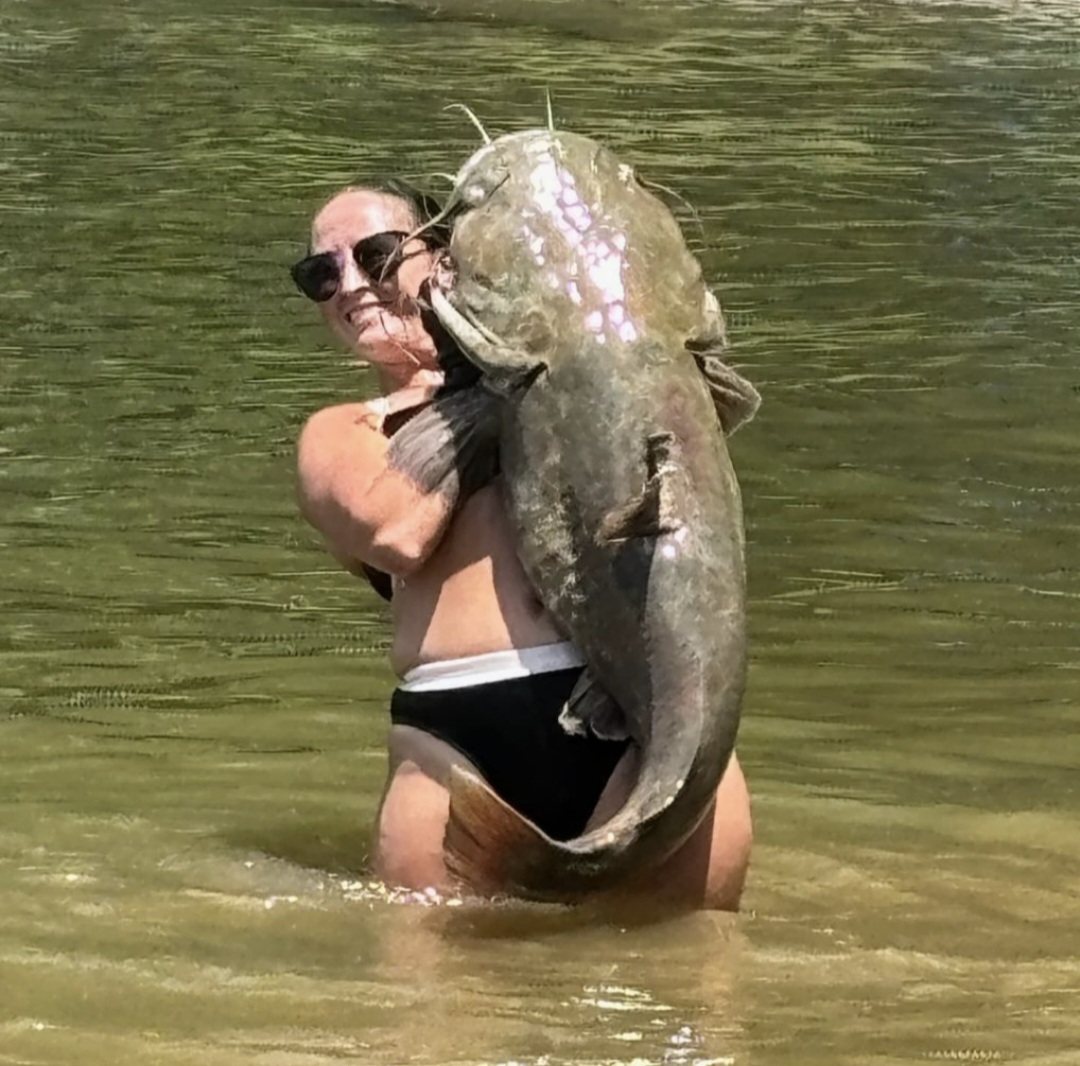
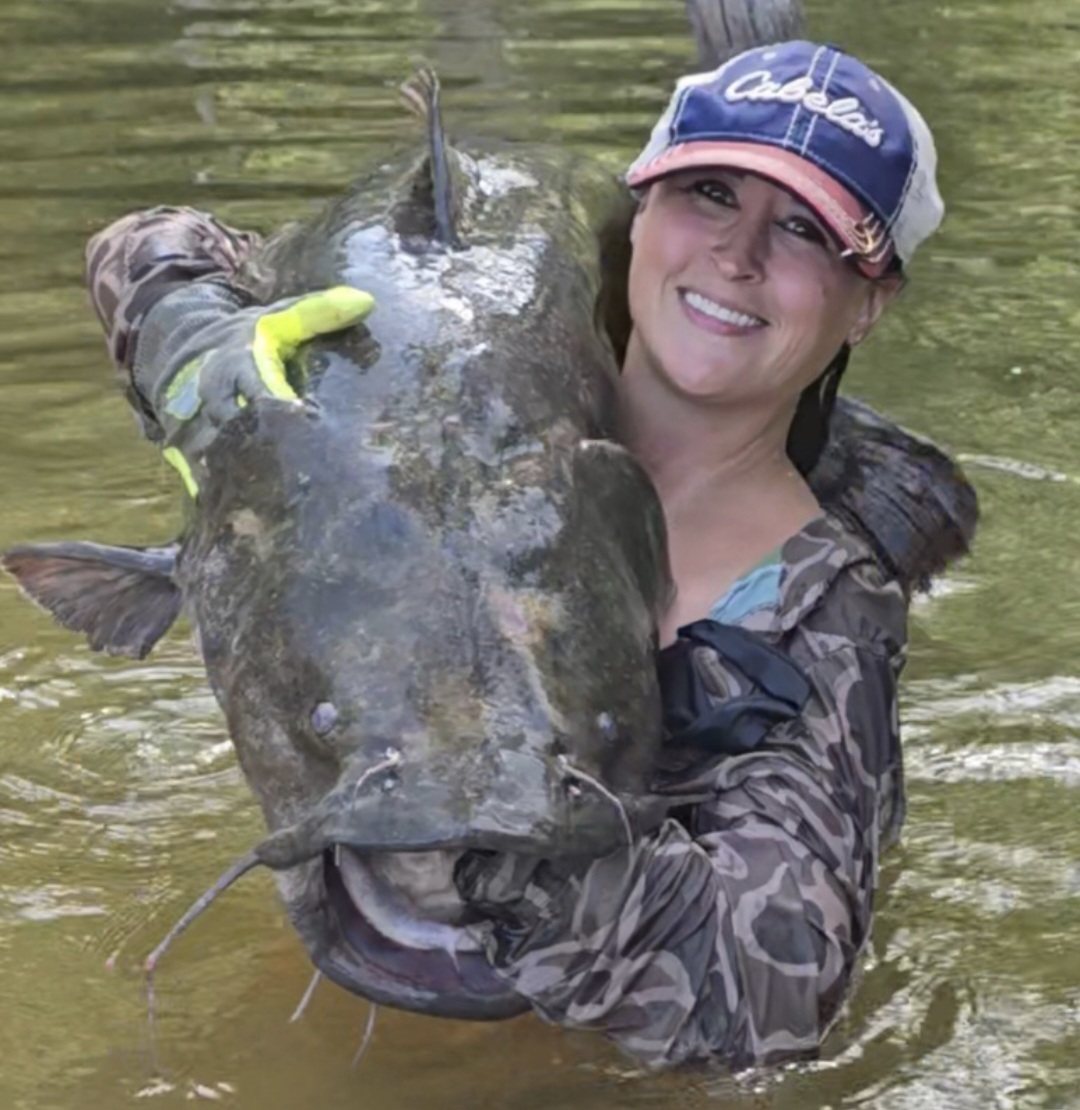
Sometimes you came up with nothing.
And sometimes you came home with a story that grew considerably larger than the fish ever did.
Tall fish tales are a family tradition, too.
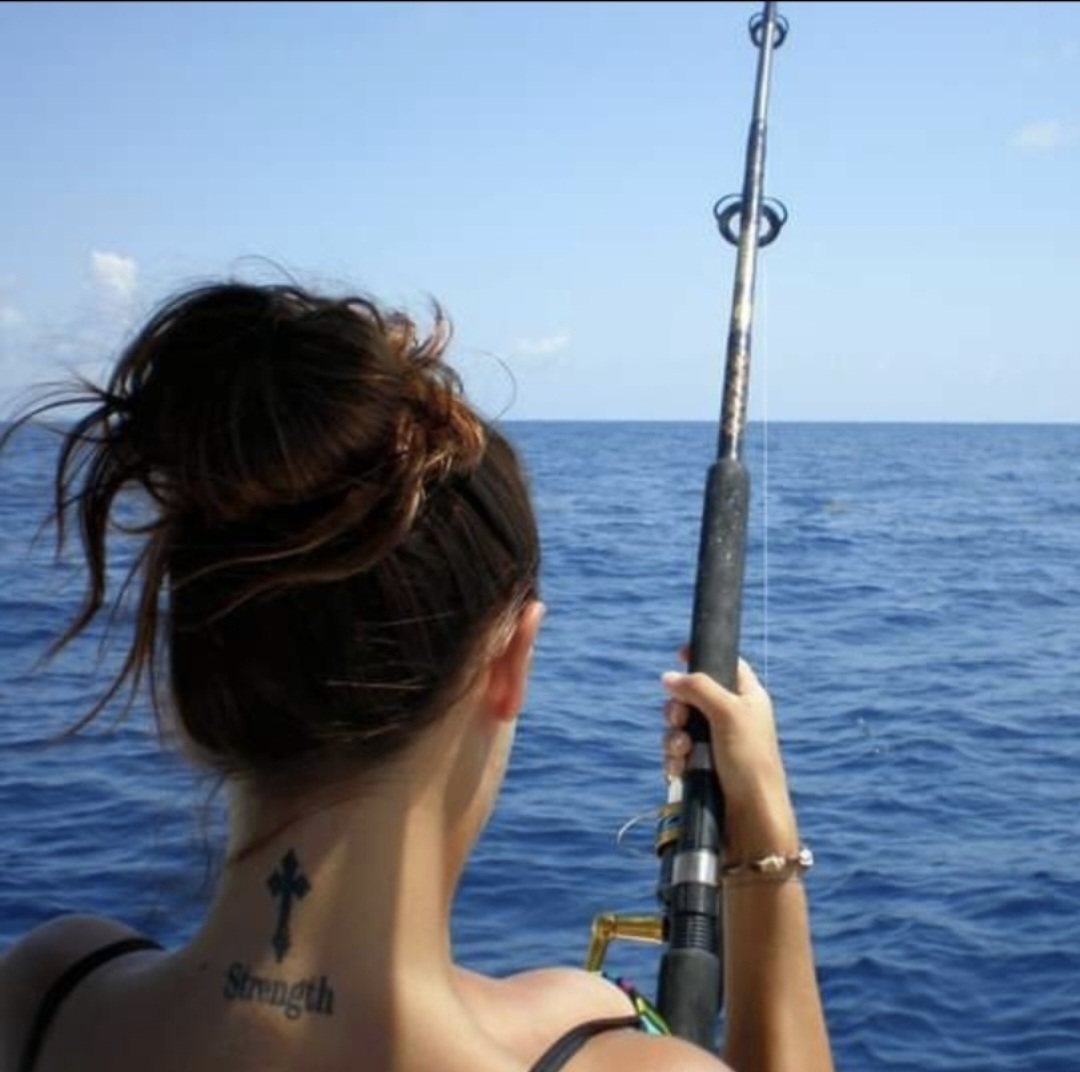
Looking back, I suppose I was learning another version of the same lesson.
Not everything worth finding sits where you can see it.
Some things are buried beneath your feet.
Some are waiting above your head.
Some are hidden beneath the surface.
And some only become visible when you learn how to look.
And somewhere between all three was the Carolina coast.
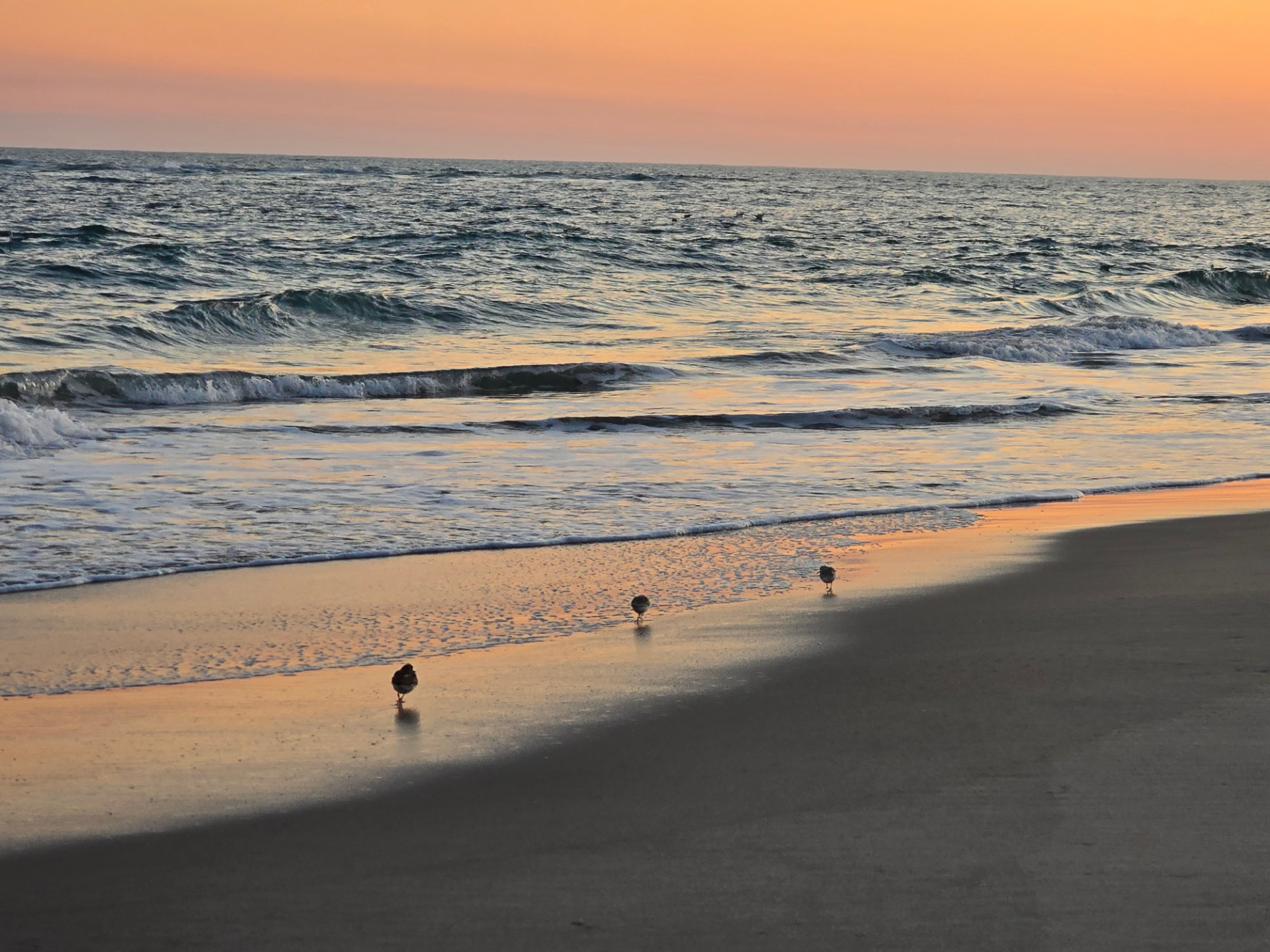
Trips to the beach became part of the rhythm of growing up. There was something about reaching the end of the road and finding the Atlantic waiting there that never lost its magic.
There were shells and shark's teeth to hunt for in the sand, but mostly there was the coast itself: salt air, open water, and that feeling that the world had suddenly become much bigger.
One trip in particular changed the direction of my life.
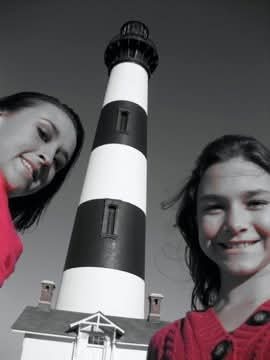
My dad's family and I traveled to the Outer Banks to visit Bodie Island and explore some of the family lore attached to our name. Along the way, Dad filled my head with stories of Blackbeard, buried treasure, and the pirates who had haunted the Carolina coast.
It was exactly the sort of place my imagination had been preparing for.
But that journey also took us to Kitty Hawk.
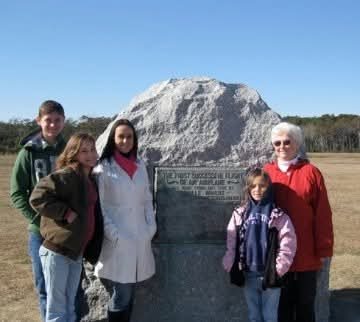
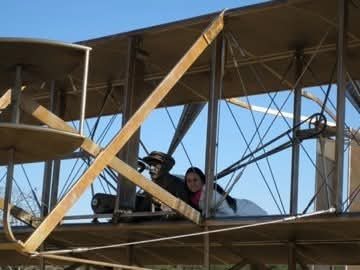
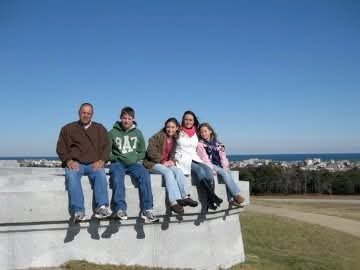
There I learned the story of the Wright brothers (and their sister), a family with the audacity to believe that human flight wasn't simply something to dream about. It was a problem that could be solved.
When I returned home, I went to the Clemson Flying Club and took my first flight.
All those years Granny and I had spent wondering where the airplanes were going...
I finally got in one.
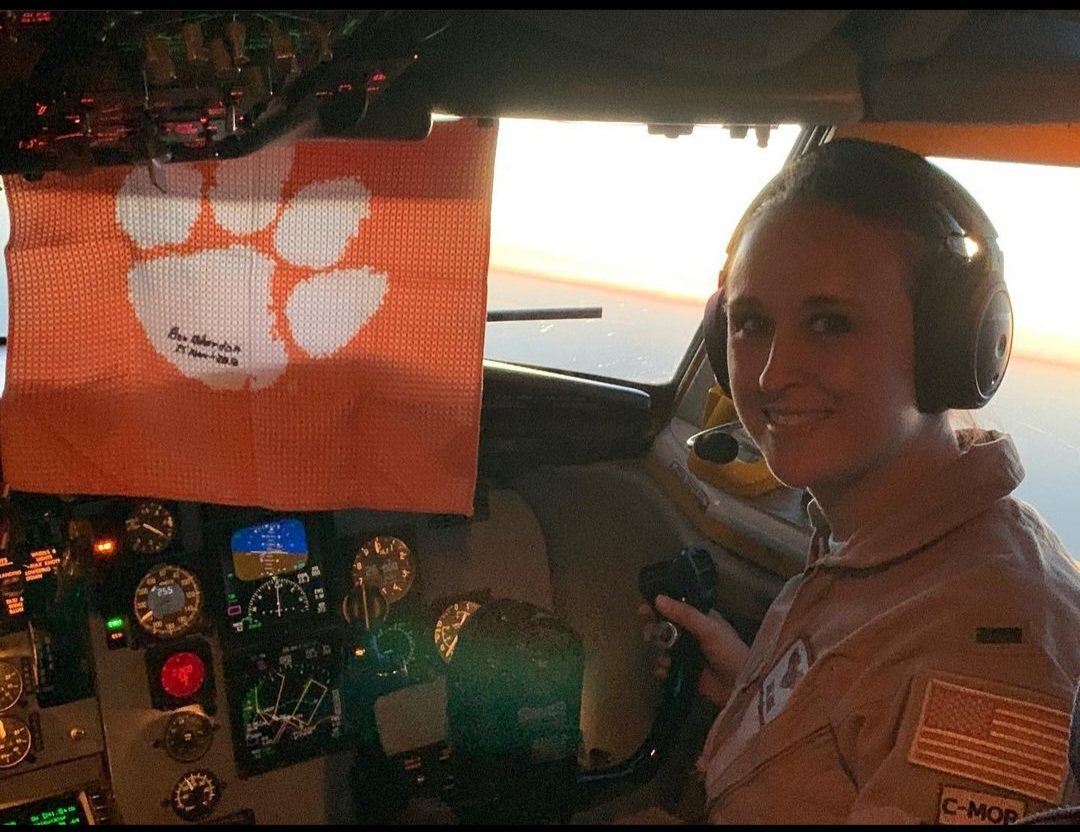
Flying became my career.
First as a commercial pilot, then an airline pilot, it carried me across the country and eventually far beyond the places Granny and I had imagined from the ground.
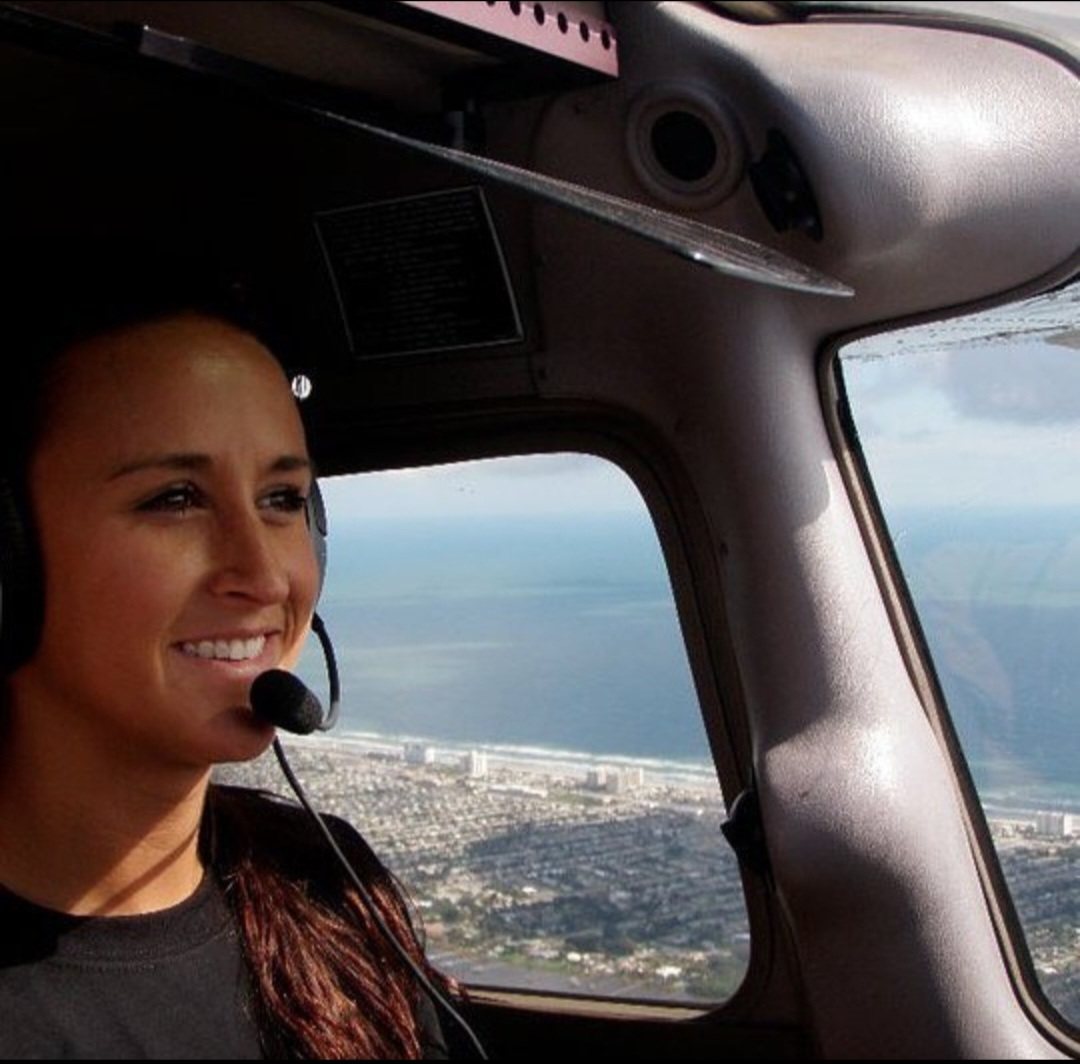
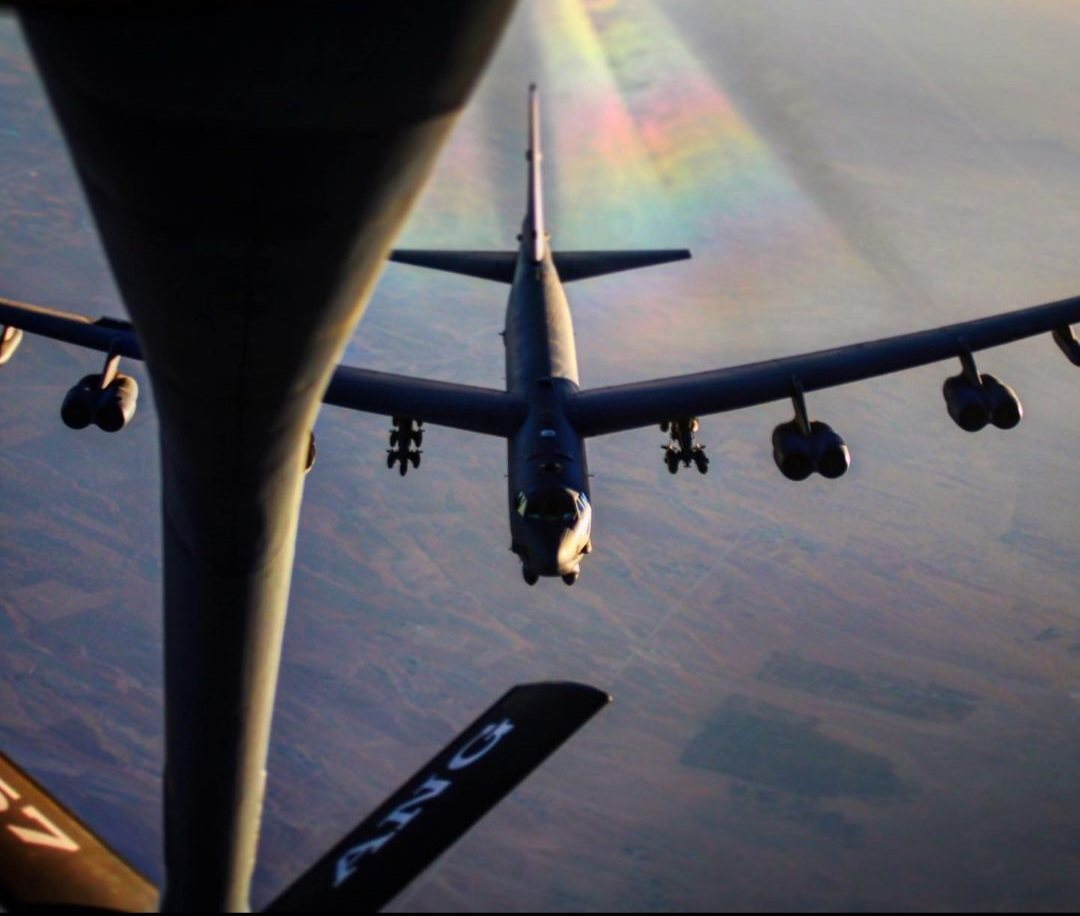
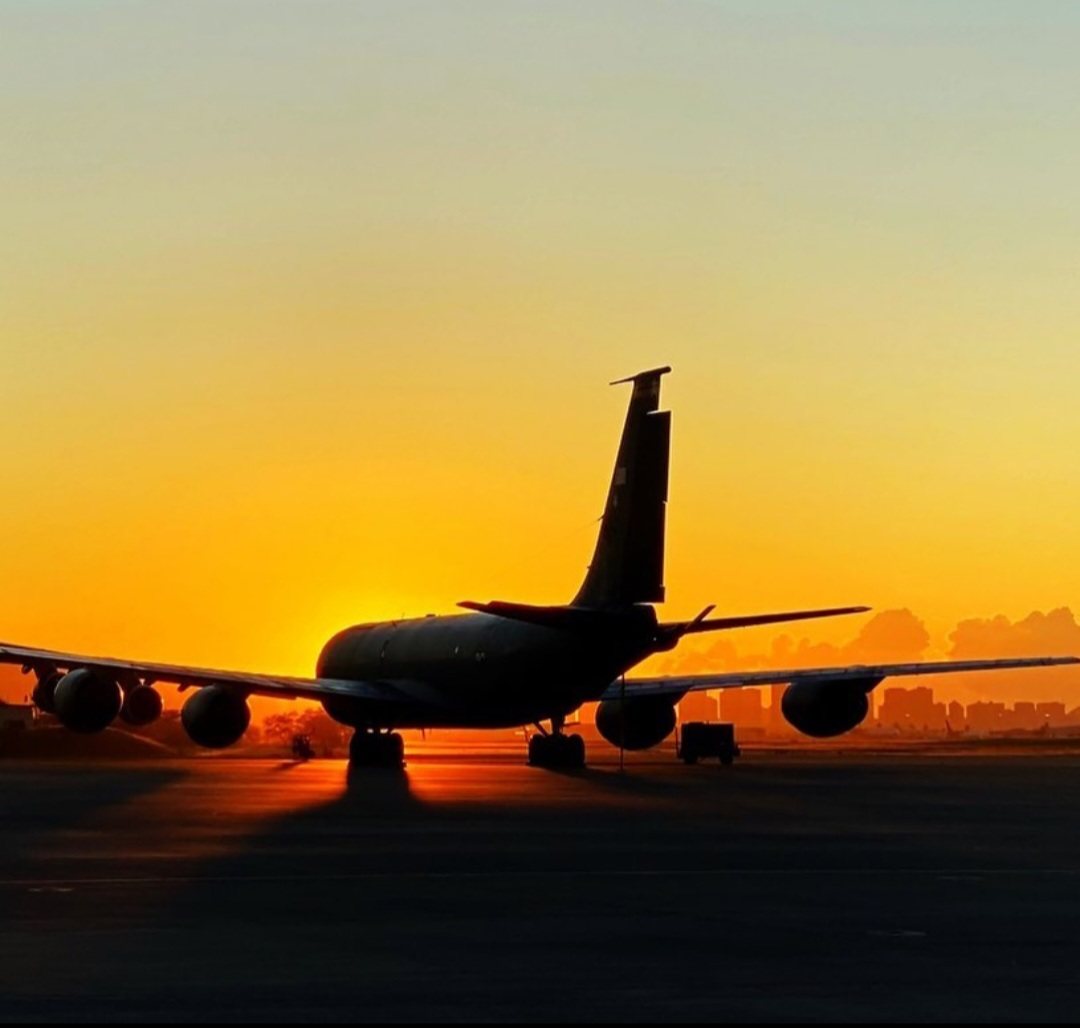
Later, I joined the Air Force Reserve and found my way back to the Carolinas.
Some of my favorite flights became what we called the lighthouse tours, routes that carried us along the Outer Banks and down the Carolina coast.
And suddenly I was on the other side of that childhood memory.
I was the airplane overhead.
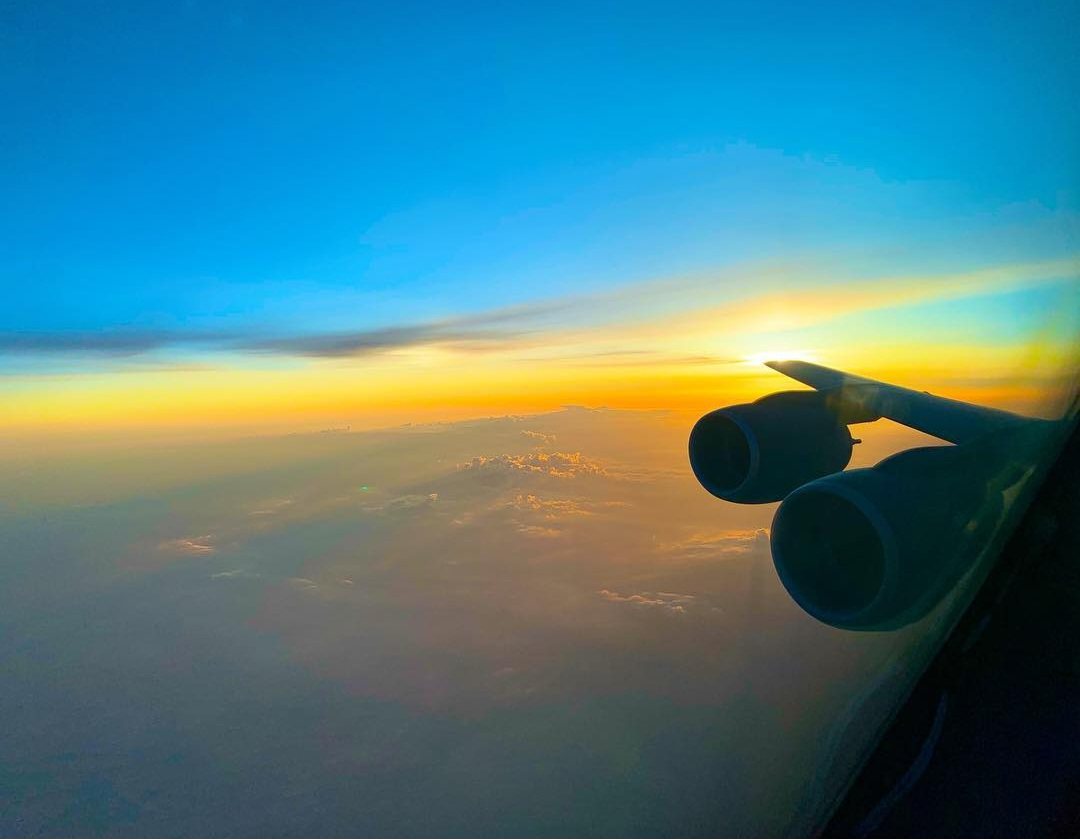
I was looking down.
From the air, the landscape I had loved my entire life became something entirely different.
Barrier islands stretched between sound and sea. Lighthouses stood watch along the edge of the continent. Water shifted from deep Atlantic blue to turquoise, green, and silver depending on the sun.
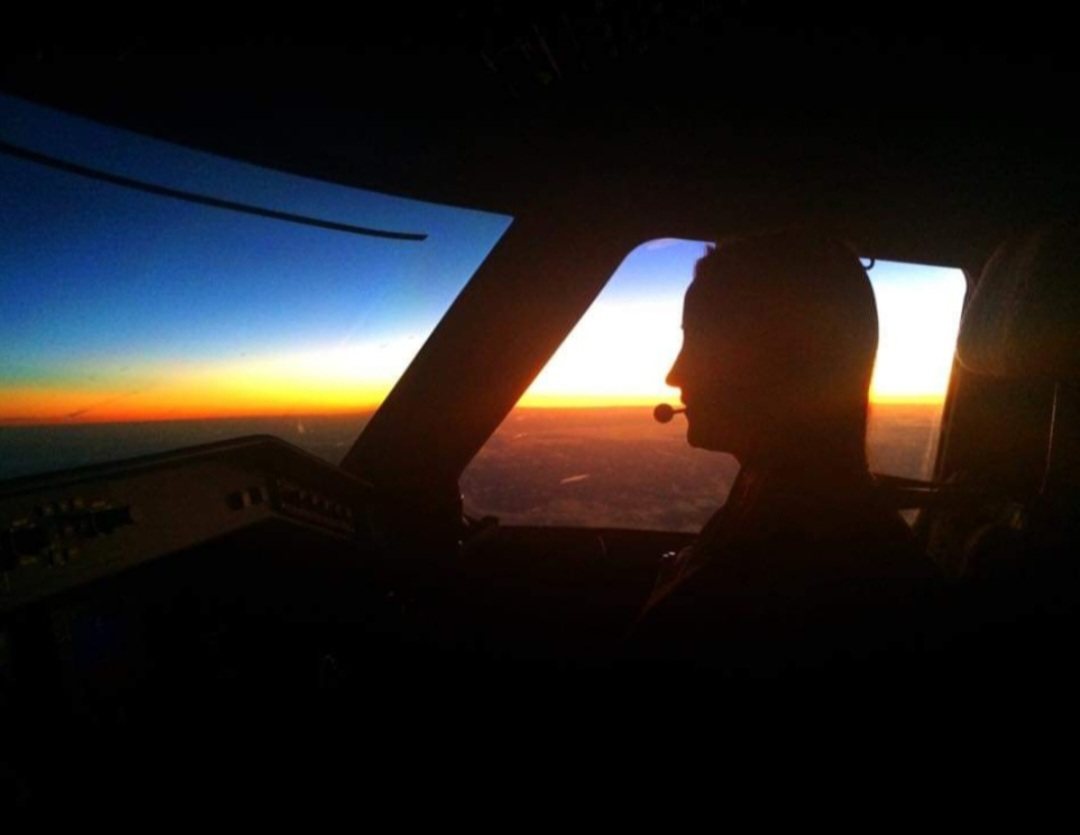
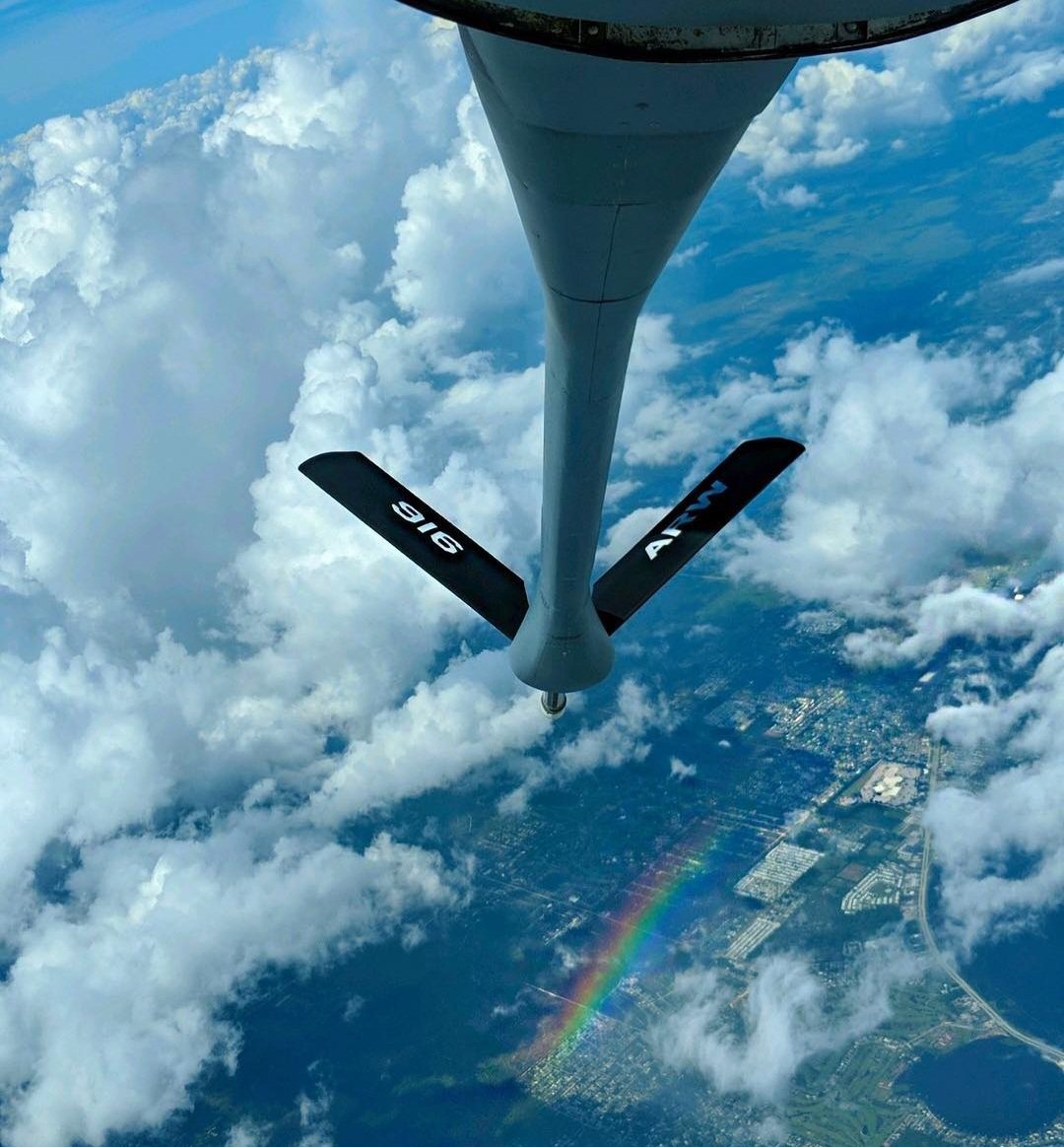
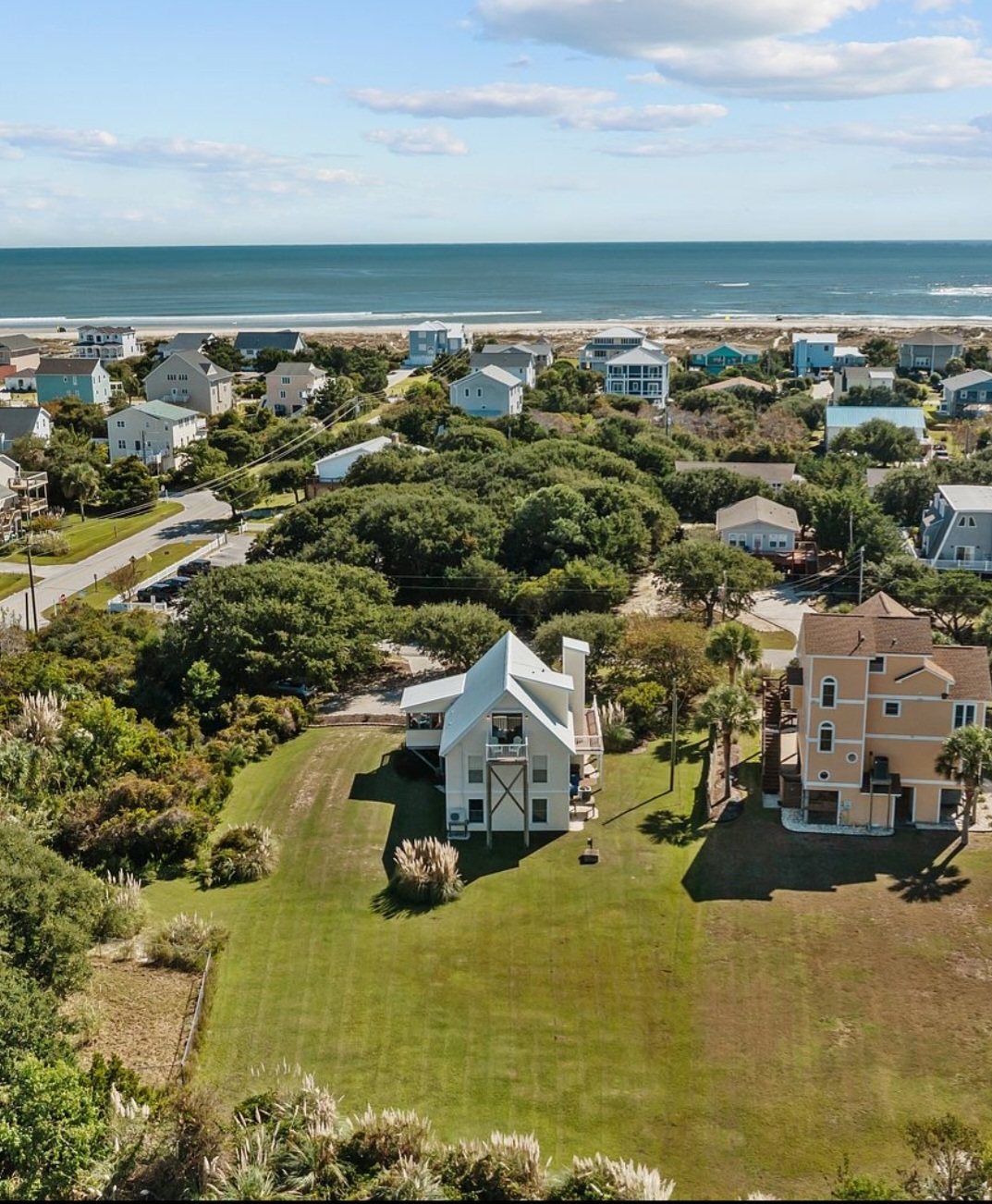
And then there was the Crystal Coast.
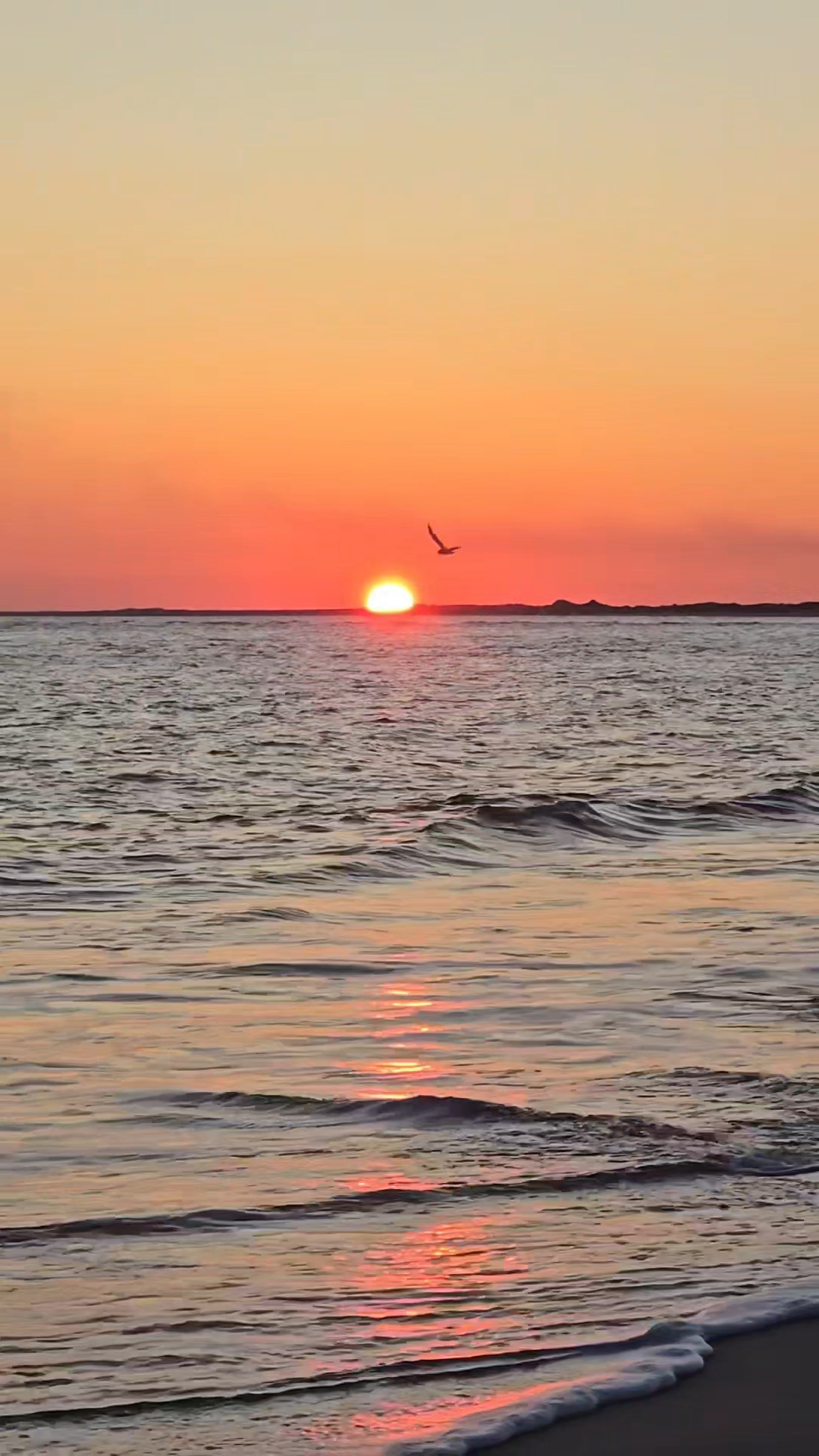
I would look down from the cockpit at those thin pieces of land surrounded by water and dream about what it might be like to someday own one tiny piece of that treasure.
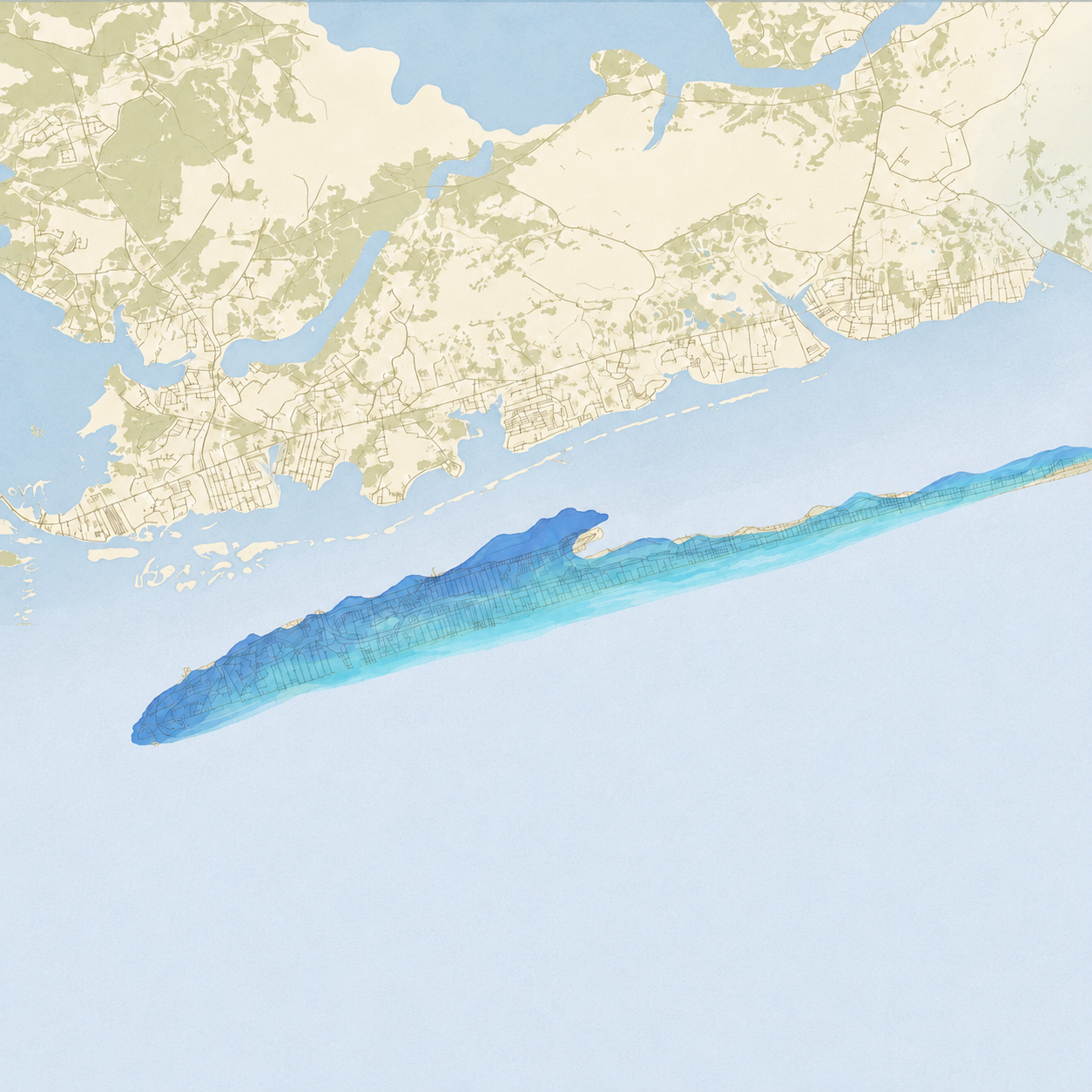
Of all of them, Emerald Isle always seemed to shine the brightest.
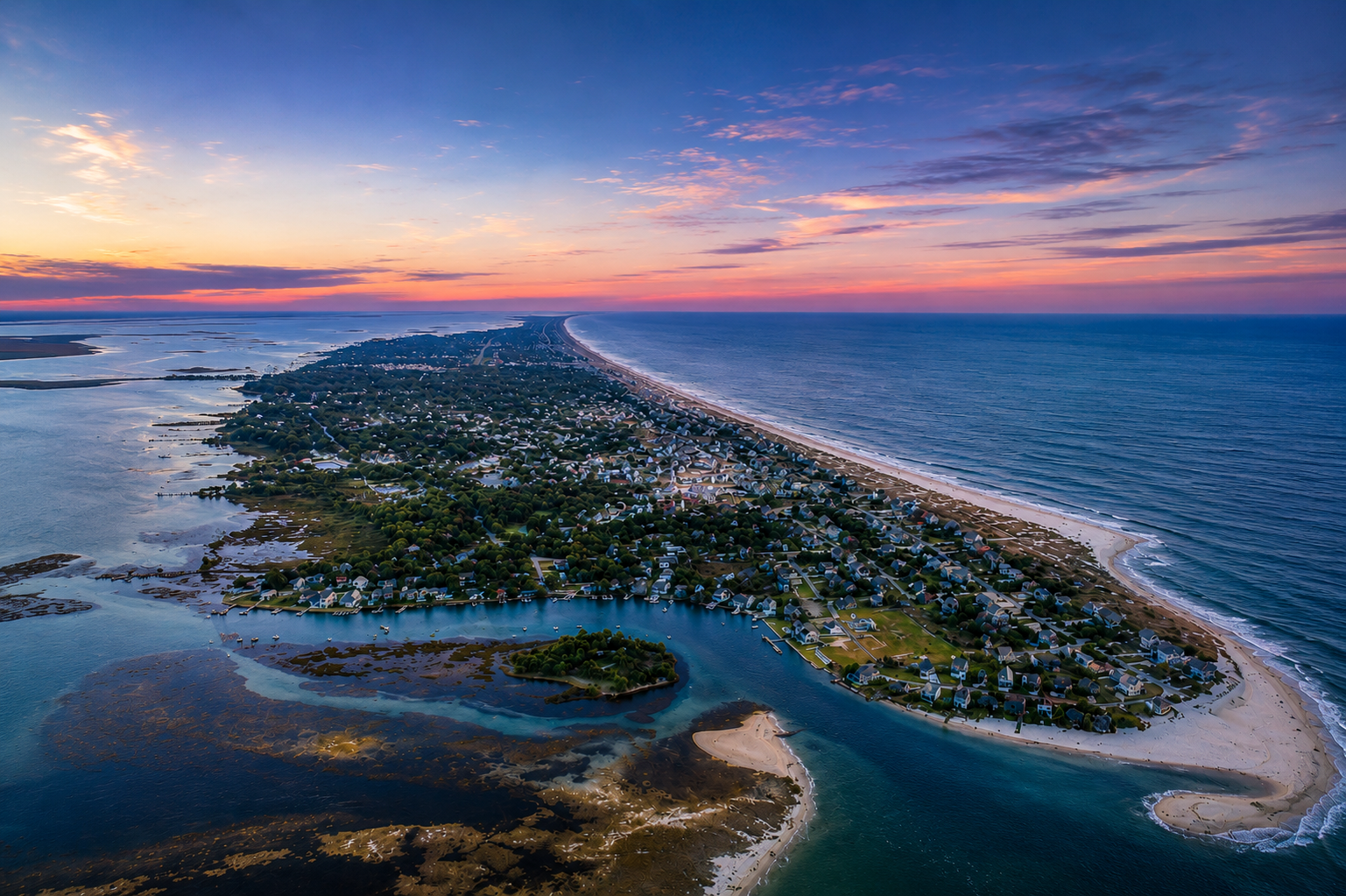
A little green jewel between blue waters.
For years, it was something I looked down at from the sky.
Until one day, it wasn't.
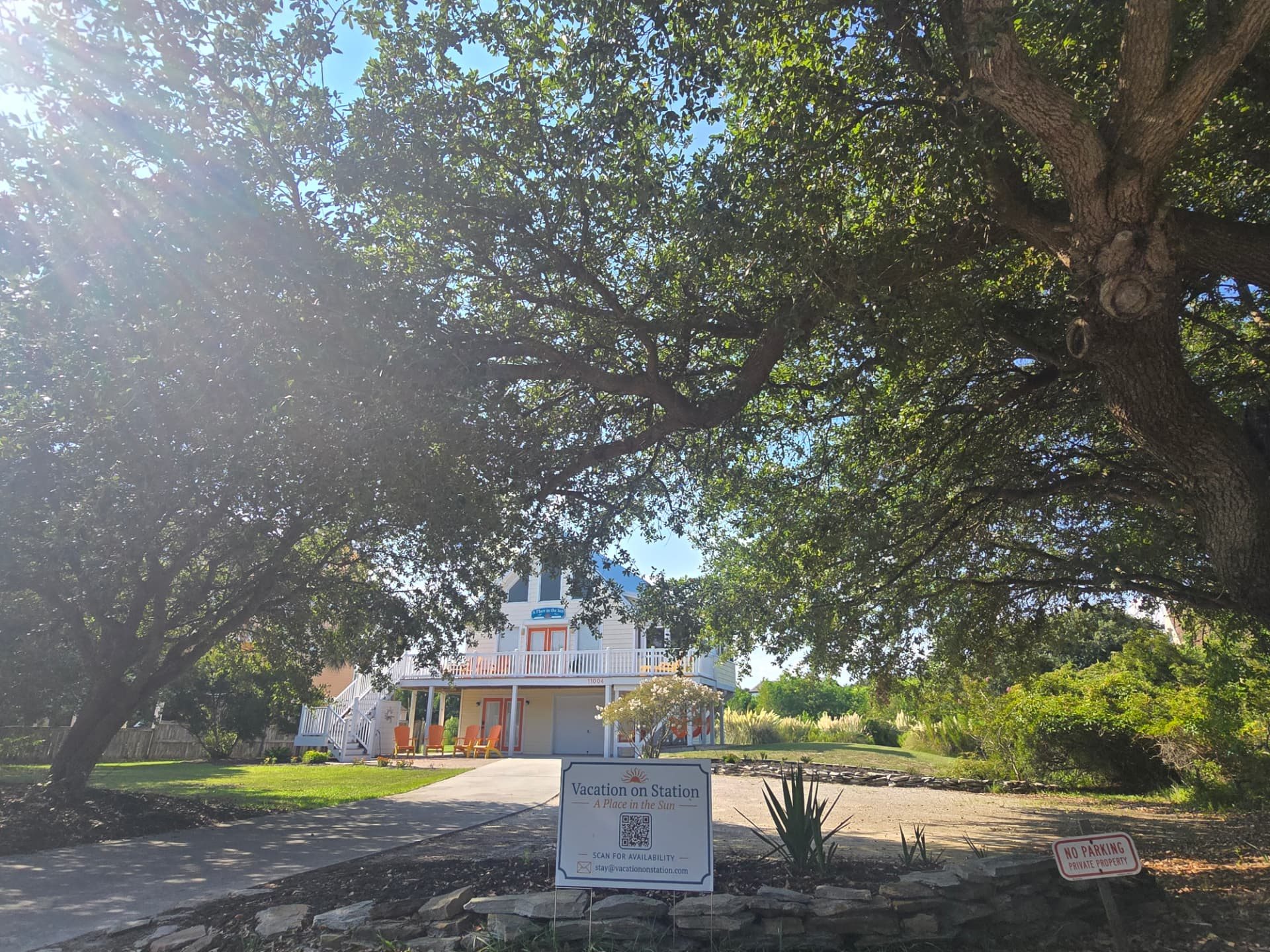
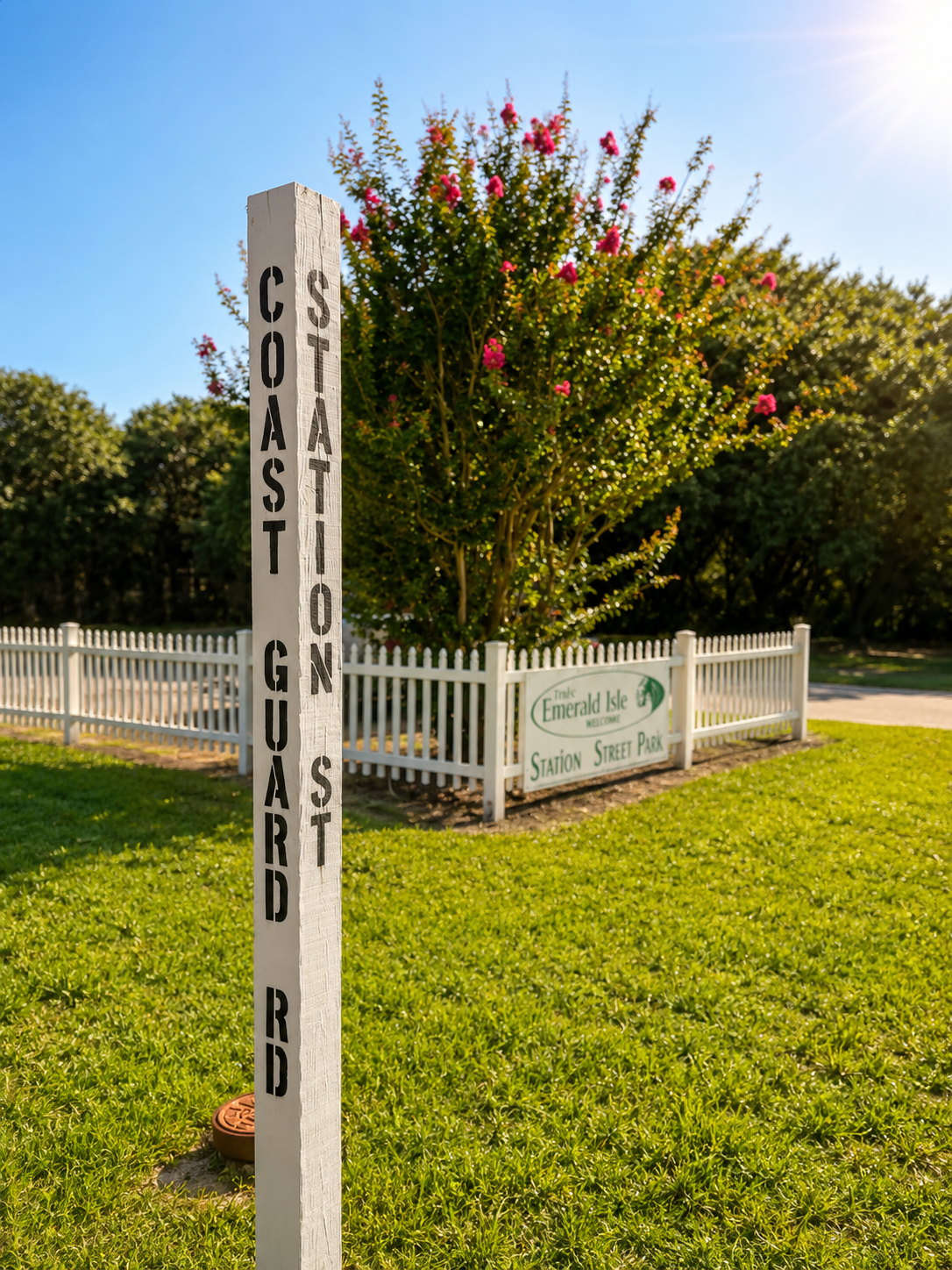
Eventually, I found my little piece of the treasure on Station Street, beneath a canopy of live oaks and just a short walk from the sea.
I called it A Place in the Sun.
And in some strange way, it feels as though all those years of looking led here.
From arrowheads hidden in Carolina soil and old bottles buried beneath it, to airplanes crossing the sky over Granny's house. From catfish hiding beneath muddy water and shark's teeth tucked into Carolina sand, to family stories on Bodie Island, a first flight inspired by Kitty Hawk, and thousands of hours spent looking down at the Carolina coastline from above.
I had been collecting pieces of Carolina my entire life.
This one just happened to come with a front door.
Now I get to share it.
As a host, I try to create the kind of place I would hope to find when I travel: beautiful but comfortable, thoughtful without being fussy, and filled with the little things that make being away from home easier.
But more than anything, I want A Place in the Sun to be a place where families and friends come together. Where food gets passed around and stories follow. Where people laugh too loudly, stay at the table too long, make memories without realizing yet which ones they'll still be telling years from now, and have enough time together to remember what they truly treasure.
Because I know something about looking for treasure.
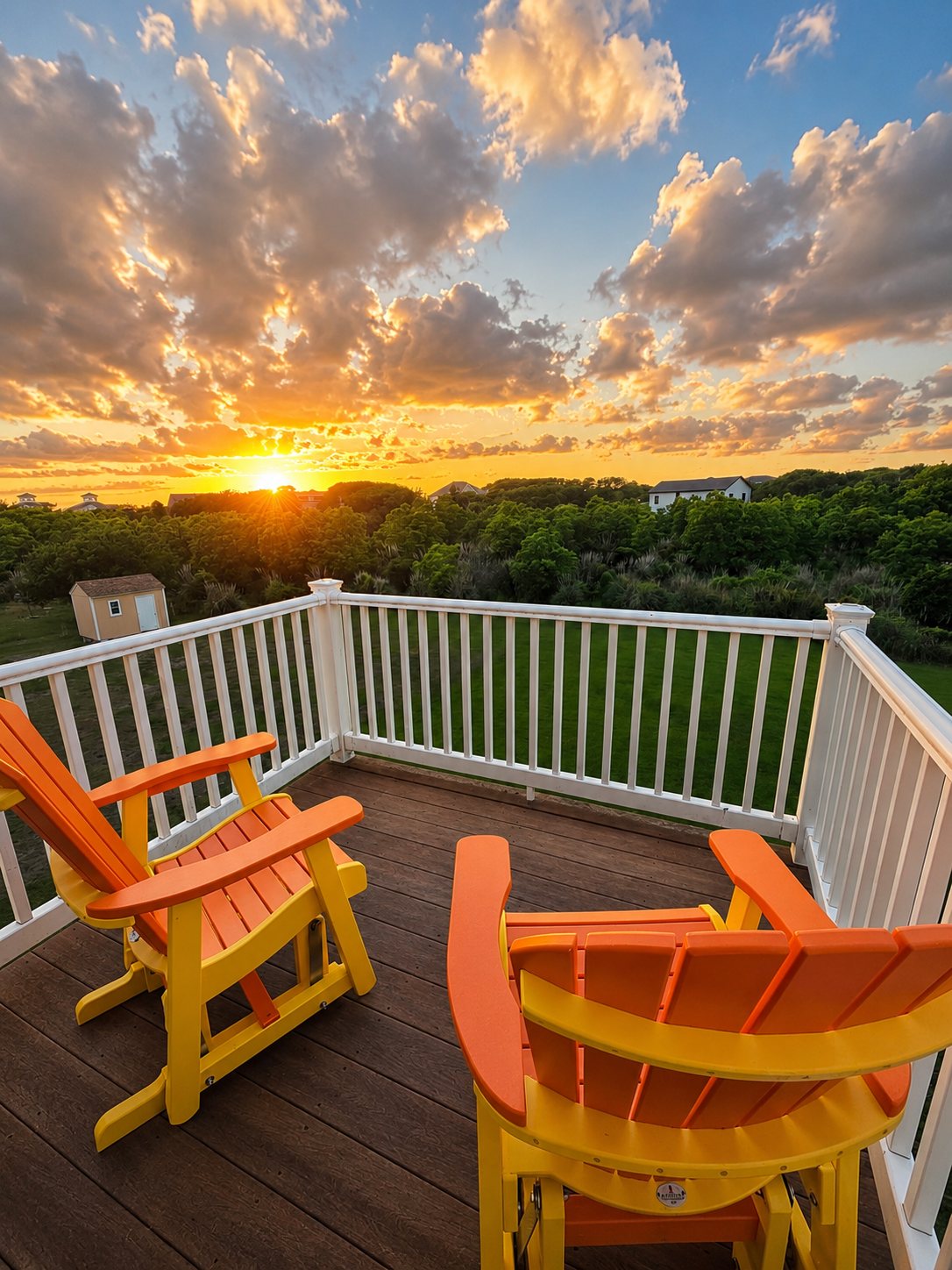
I spent a childhood searching for it beneath my feet and a lifetime wondering if it might be somewhere beyond the horizon. I found pieces of it in creek beds and old homesites, beneath muddy water, along the Carolina shore, in airplanes and faraway places, and eventually in a little emerald green island surrounded by sapphire blue.
But somewhere along the way, I learned that the best treasure isn't always buried or waiting in some faraway place.
Sometimes you have to look back at the whole journey to realize it was there all along.
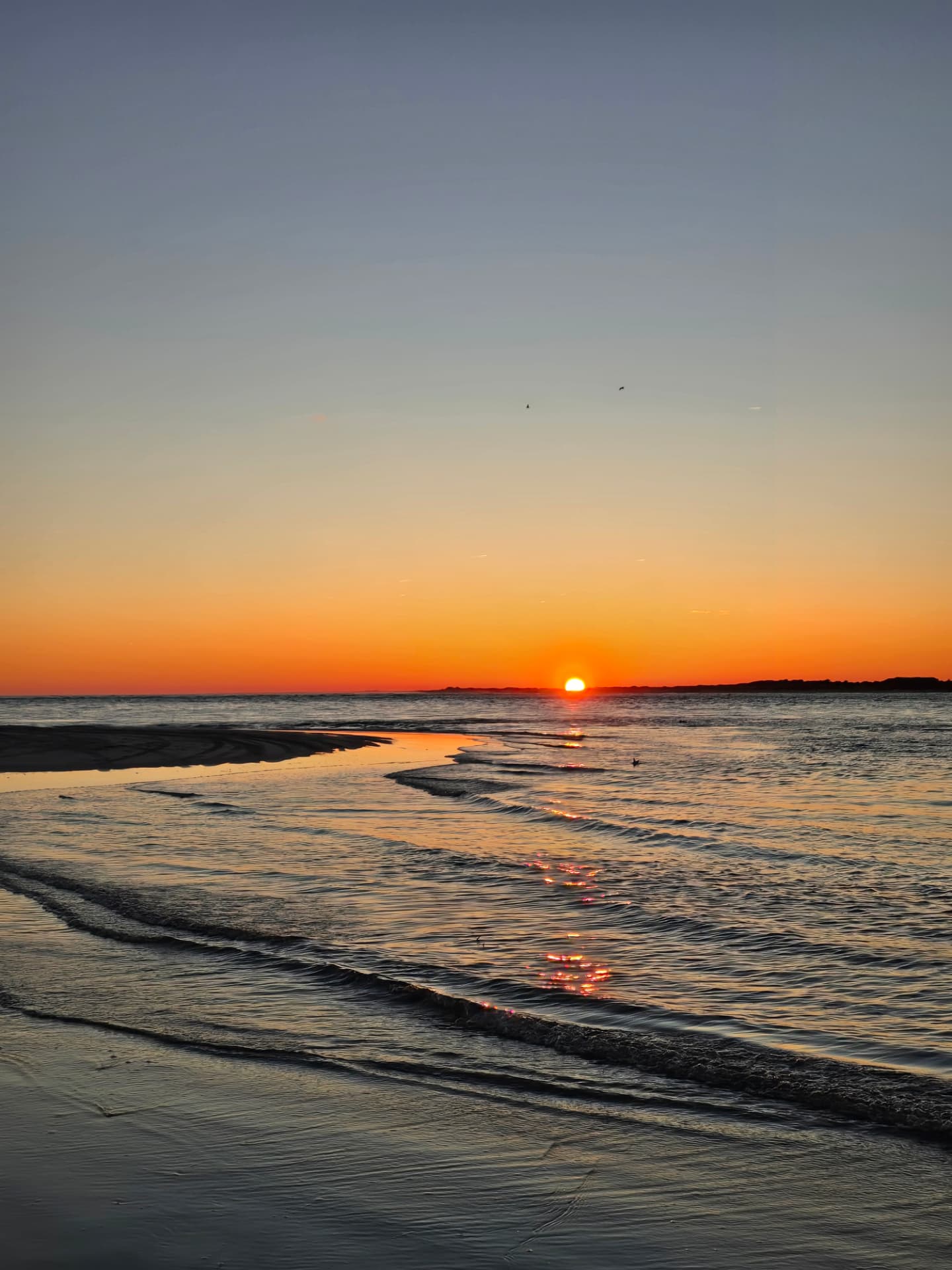
In the Granny who taught you to look up.
The Papa who taught you to look down.
The father who taught you never to give up.
The mother and bonus dad who gave you unconditional love.
And all the other branches of a family who gave you roots deep enough to wander.
A family tree is a funny thing.
Its roots disappear into the ground while its branches reach toward the sky.
Maybe that's why I've spent so much of my life doing both.
Looking down.
Looking up.
Looking beneath the surface.
Digging into where I came from.
Flying toward places I'd never been.
And no matter how far I wandered, there were always people who gave me a reason to come home.
The places matter. The adventures matter. The things we find along the way matter.
But the real treasure is the foundation beneath all of it: the people who love us, the people we love, and the memories we make while we're lucky enough to have one another.
That's what I hope people find at A Place in the Sun.
Not just a beautiful house.
Not just a week at the beach.
A place to bring your people.
A place to make the memories you'll talk about years from now.
A place to wander from, and a place to come home to.
Because sometimes, if you keep looking for treasure long enough, you discover that it was never a faraway place or something buried in the ground.
It was who was beside you while you were looking.
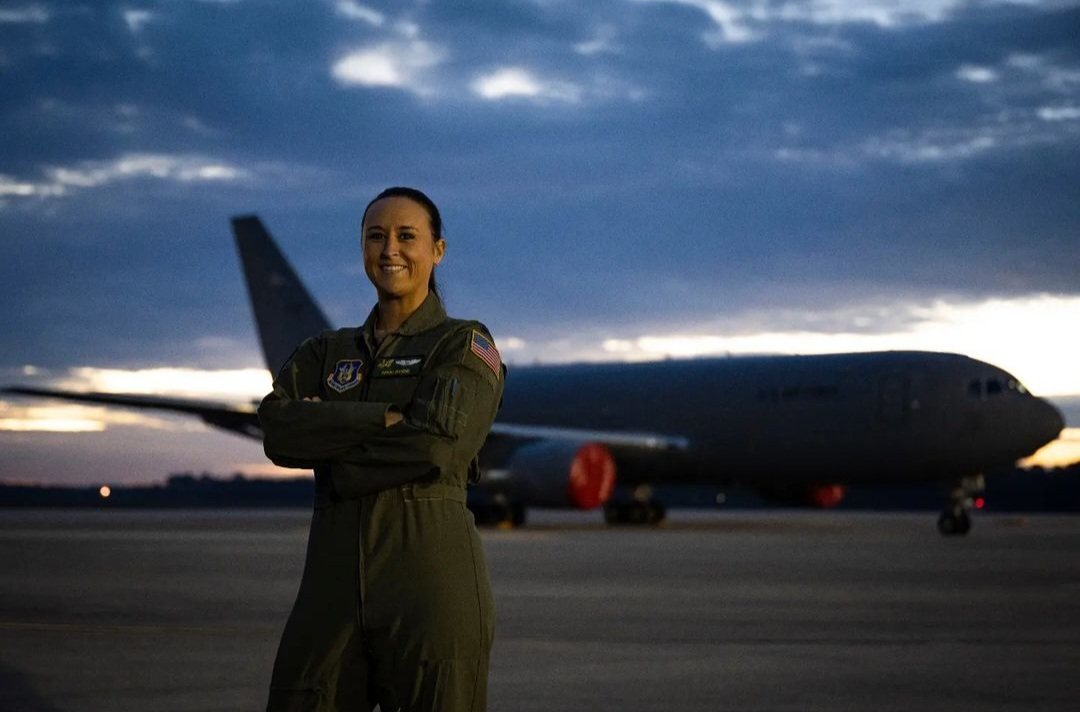
Nikki Bodie · Emerald Isle, North Carolina